
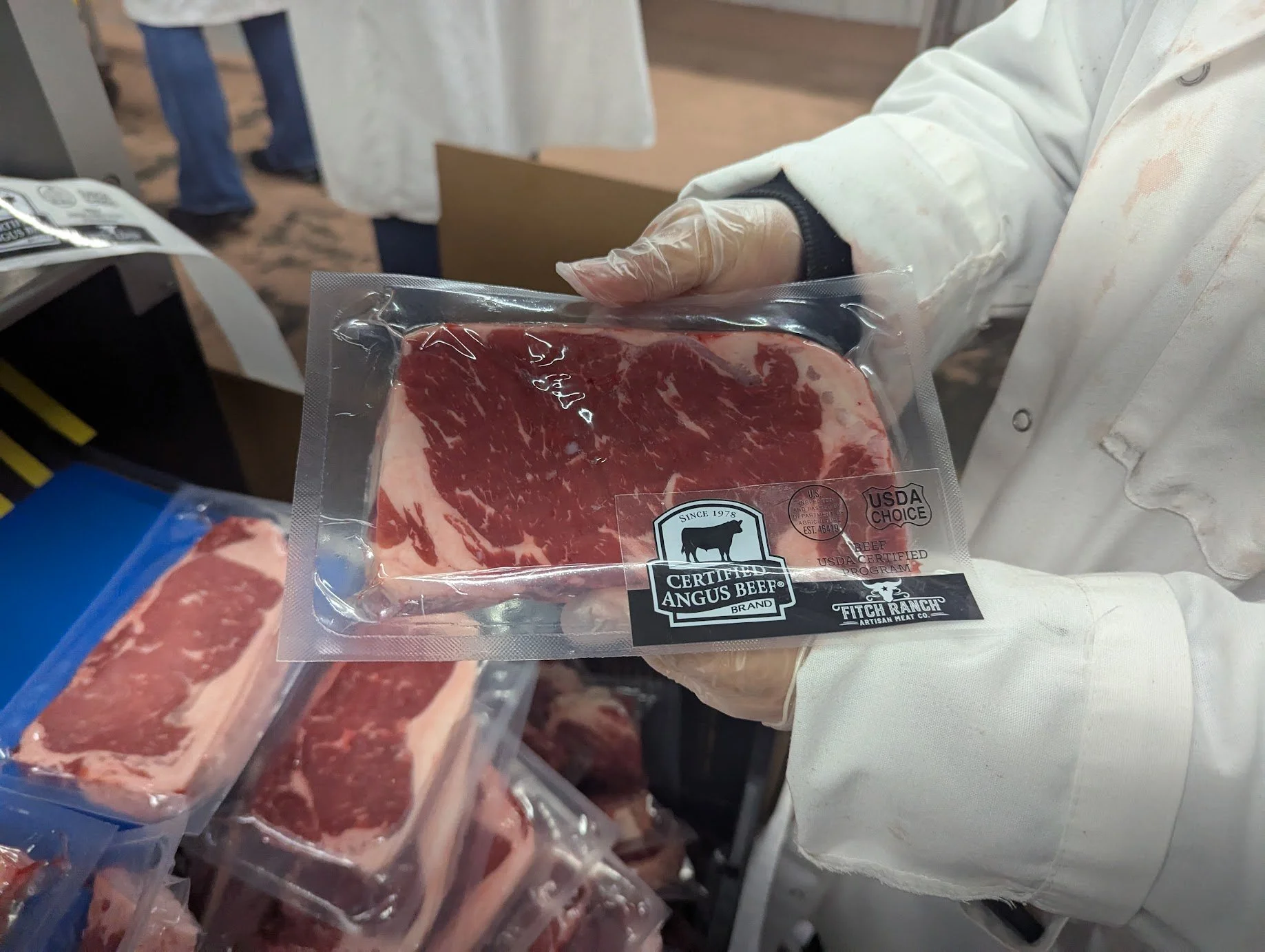
When the USDA established the Meat and Poultry Processing Technical Assistance network in 2022, beef ranchers and other livestock producers were facing delays of more than a year in scheduling their animals for processing.
With apologies to Bob Dylan, the times, they have changed. Driven by drought, trade restrictions, and other factors, the U.S. cattle inventory has dropped to a 70-year low, with only marginal signs indicating any rebuilding is underway.
A few years ago, Sarah Low and Catherine Isley at the University of Illinois published a paper with the results of their investigation into factors important to the survival of smaller meat processors.
“For smaller plants, survival is most strongly related to business diversification,” they concluded in their analysis.
That was true in 2023, and even more critical today. Processors simply harvesting animals and conducting cut-and-wrap operations compete with similar enterprises to produce commodity meats. That has now become a competitive landscape that favors smaller processors.
It’s essential to develop markets and services that will create a point of difference in the marketplace. For some processors, adding an attractive retail space is key. Others are succeeding with focusing on product attributes such as organic, grassfed, and pasture-raised. Still other processors are adding value to byproducts through beef tallow, pet products, and bone broth, and additional offerings.
A new slate of USDA grants supports processors’ ability to expand and diversify. The Value-Added Producer Grant opened for applications on January 15th. True to its name, this grant provides up to $50,000 for planning activities and up to $200,000 for working capital to help producer-owned enterprises develop new products and market channels that will create additional profitability.
Details about the next Meat and Poultry Processing Expansion Program grant, expected to be offered in early February, aren't yet known. Still, this new program will likely support infrastructure to create value-added products.
The series of Local Agricultural Market Program grants that USDA’s Agricultural Marketing Service will offer are yet another opportunity to secure funding for these types of activities.
Meat and poultry processing margins have always been thin, but today’s economic landscape has created additional threats to profitability and survival. The answer isn’t doing more of the same; it’s doing something new and better.
