
Meat and poultry processors seeking lessons in diversification need look no further than the U.S. bison business.
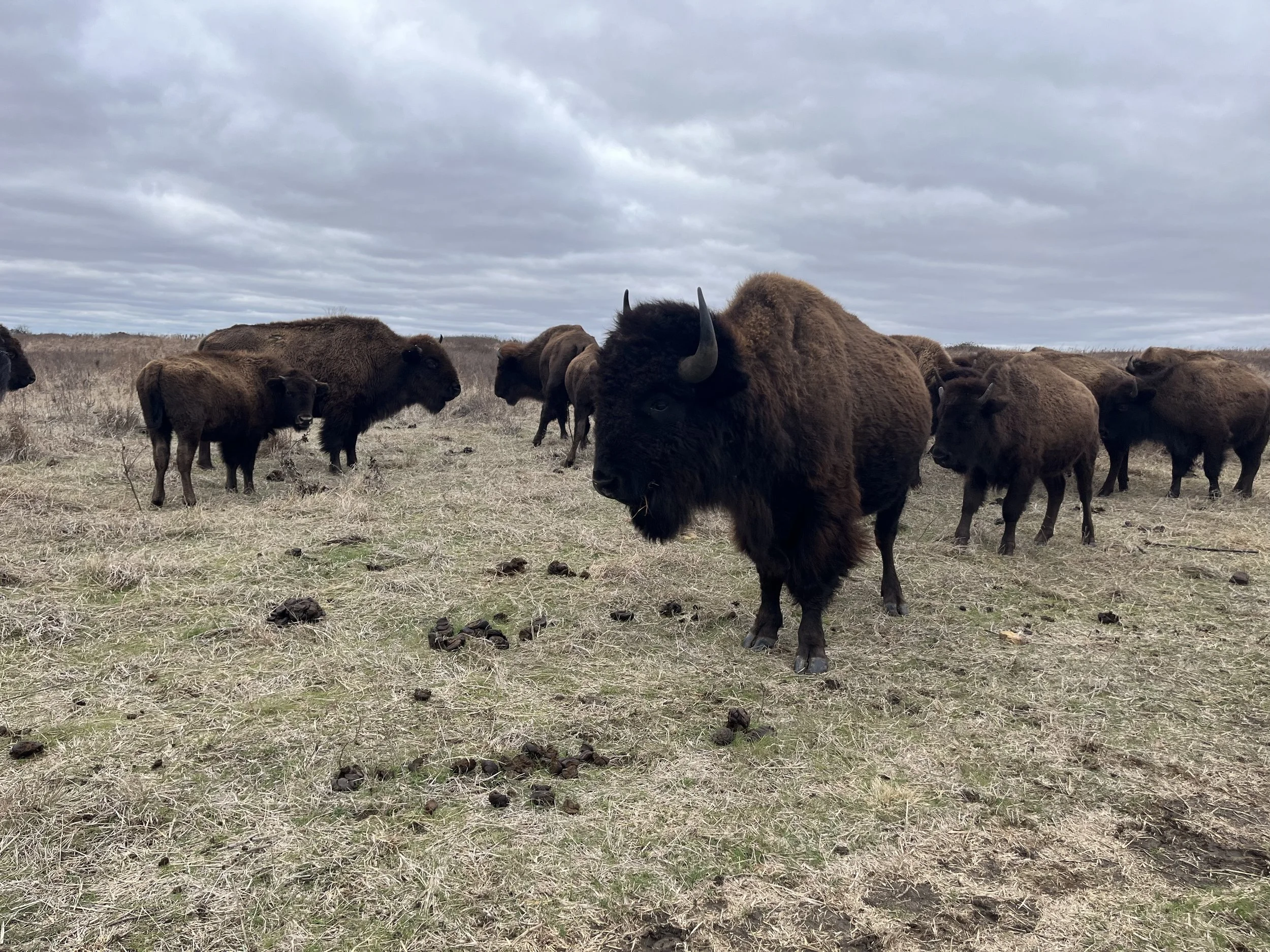
Twenty-five years ago, the bison business looked like a giant pyramid scheme. Prices for live animals escalated dramatically in the 1990’s as ranchers competed to build their herds with the limited number of animals available. By 1999, prices for breeding stock had reached unsustainable heights, with the grand champion breeding bull selling for $101,000 at the National Bison Association’s annual Gold Trophy sale.
Just as the auction prices were skyrocketing, processors’ freezers were bursting with unsold meat. When the bubble burst, the entire sector entered an economic meltdown, with the grand champion breeding bull selling for $5,800 in 2022.
Ranchers and processors alike rapidly learned that selling meat—not animals—was the ultimate measure of success and sustainability.
Since 2002, the bison business has experienced a significant renaissance, gaining shelf space in retail meat counters, presence on foodservice menus, and even on the plates of local school nutrition programs. That renaissance was reflected in the optimism and confidence of the ranchers, processors, and marketers who gathered in Broomfield, CO, in January for the National Bison Association's annual conference, along with the live-animal Show and Sale at the National Western Stock Show.
The majority of the attendees were bison ranchers. Others were processors and marketers, and many wore all three hats. Collectively, they celebrated the growing acceptance of bison meat among consumers.
That growth began with a series of difficult decisions made by leaders in the bison business two decades ago. They knew they needed a change of course. They agreed on one thing: they never wanted their product to be a commodity, competing in mass markets based on low prices. Instead, they determined to focus on the animal's unique attributes and position bison meat as something different.
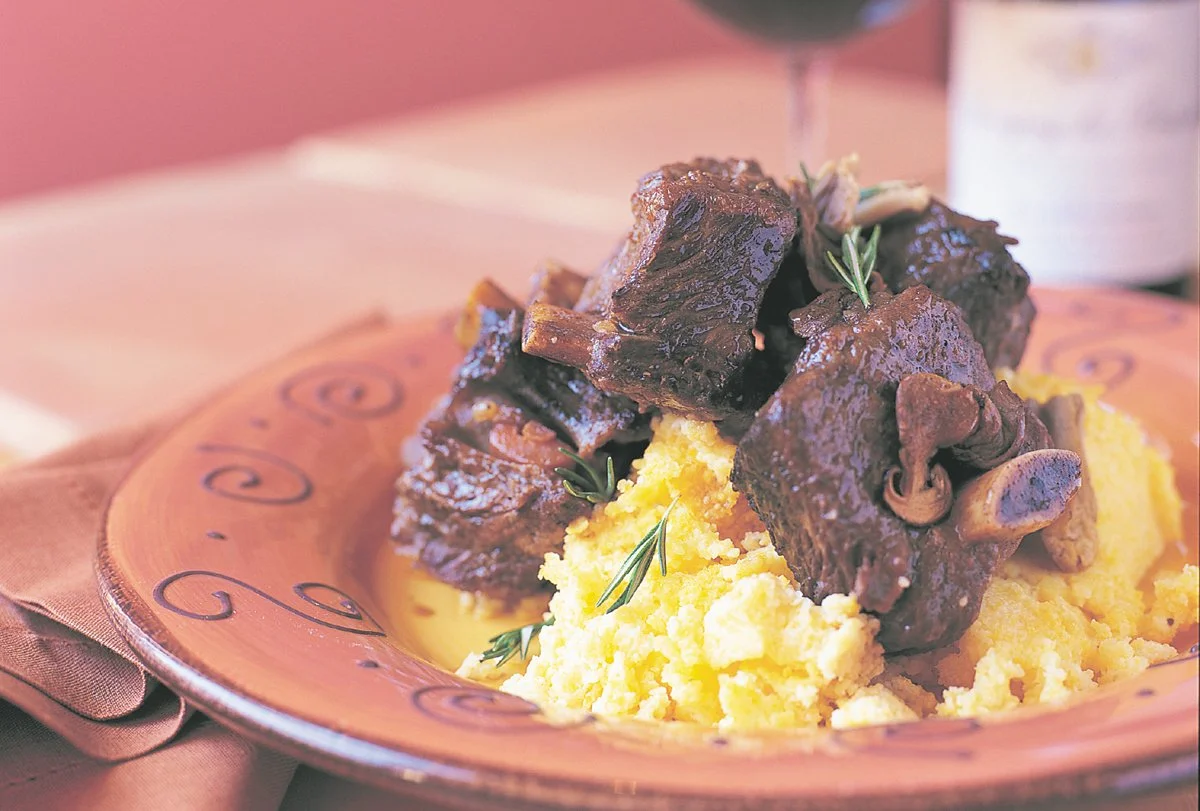
They built their messaging around three factors: unique flavor, health and nutritional benefits, and the connection between their animals and the environment. Ironically, those three attributes were emerging as purchasing drivers for a growing segment of shoppers.
Like beef, pork, and chicken, most bison meat sold in retail stores today is processed by a handful of processors. But bison entrepreneurs nationwide are carving out profitability in direct-to-consumer marketing, farmers' markets, agritourism, and often, a combination of all of the above.
The marketplace taught bison ranchers and processors a hard lesson 25 years ago. The bison business learned it well. Smaller processors and marketers in other sectors of the meat and poultry business can learn a lot from that textbook.
