
A 78-year-old processing business in Millen, Georgia is taking on new life, thanks to Jarrod and Becca Creasy.
Jarrod grew up on a farm not far from Millen, where Fries Frozen Food meat processing had been operating since 1948, while Becca grew up in central Florida in an agricultural family. After getting married on September 20, 2014, they began using Fries to process the beef they stocked in their own freezers and sold to others. As they dropped off an animal for processing one day, the owner said, “You two ought to buy this business.”
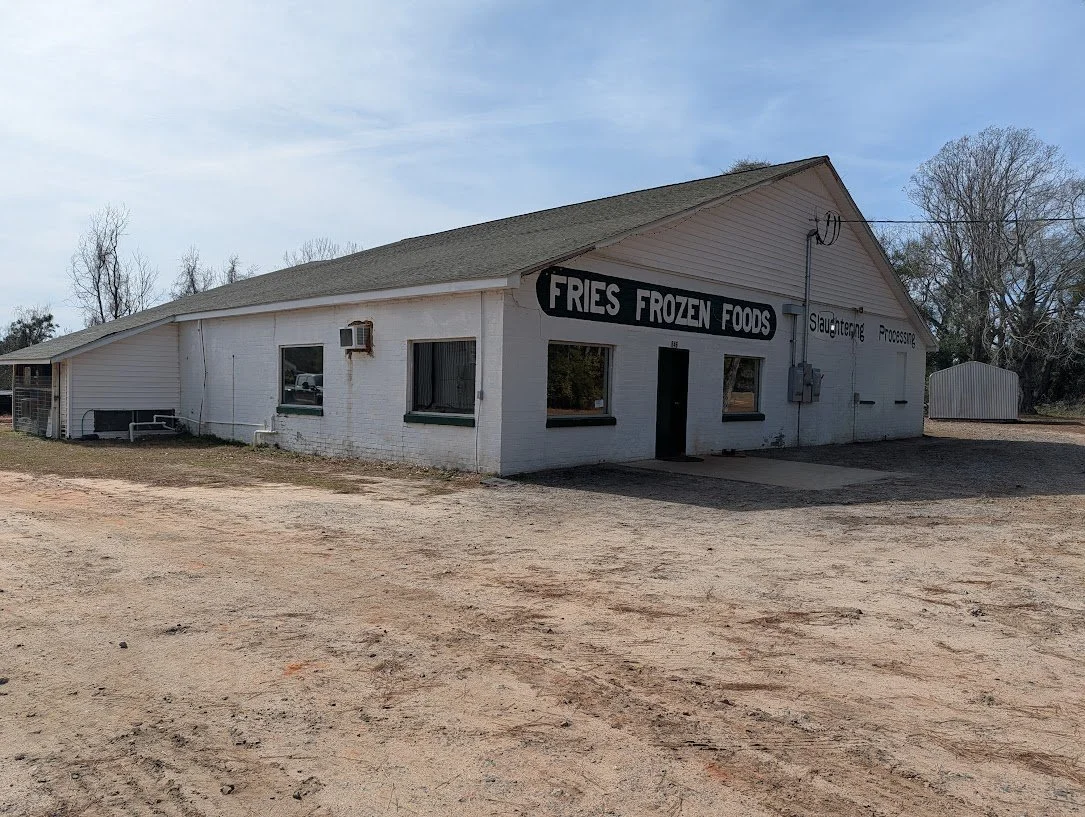
“When we came back about a month later, he had a thick stack of paper on his desk that included sales receipts, his operating statement, and other financial information. He told us ‘Look, this is a really good business to be in,” Becca said.
A few months later in 2017, the couple became the new owners of the aging—but profitable—meat processing business, now known as Nine Twenty Processing. They walked into owning a state inspected processing facility and gradually converted to a USDA-T/A plant shortly after. At the time, the business relied heavily on processing for small producers who were distributing their proteins through small, local channels. The business expanded by serving more mid- and large-sized producers in a broader geography, selling wholesale to restaurants and chefs, and an ever-growing direct-to-consumer business.
Nine Twenty secured contracts with institutional buyers, with more than half of its revenue coming from a Local Food Purchase Agreement with the USDA to provide ground beef to food banks. When that agreement wasn’t renewed, the business was in jeopardy. The supply-chain disruption caused by COVID brought skyrocketing demand for custom processing through their front door, but that profitability was quickly in jeopardy as well because live animal prices made it more appealing for producers to sell on the hoof rather than finishing and slaughter livestock for retail sales. This compounded the effect of a struggling facility.
But they knew they needed to do something different to succeed long-term.
They rolled up their sleeves and began dreaming and planning for a new, expanded facility. Today, the Nine Twenty team are preparing to process their first head of beef in a gleaming new 11,000 sq. ft. facility located next to the former plant.
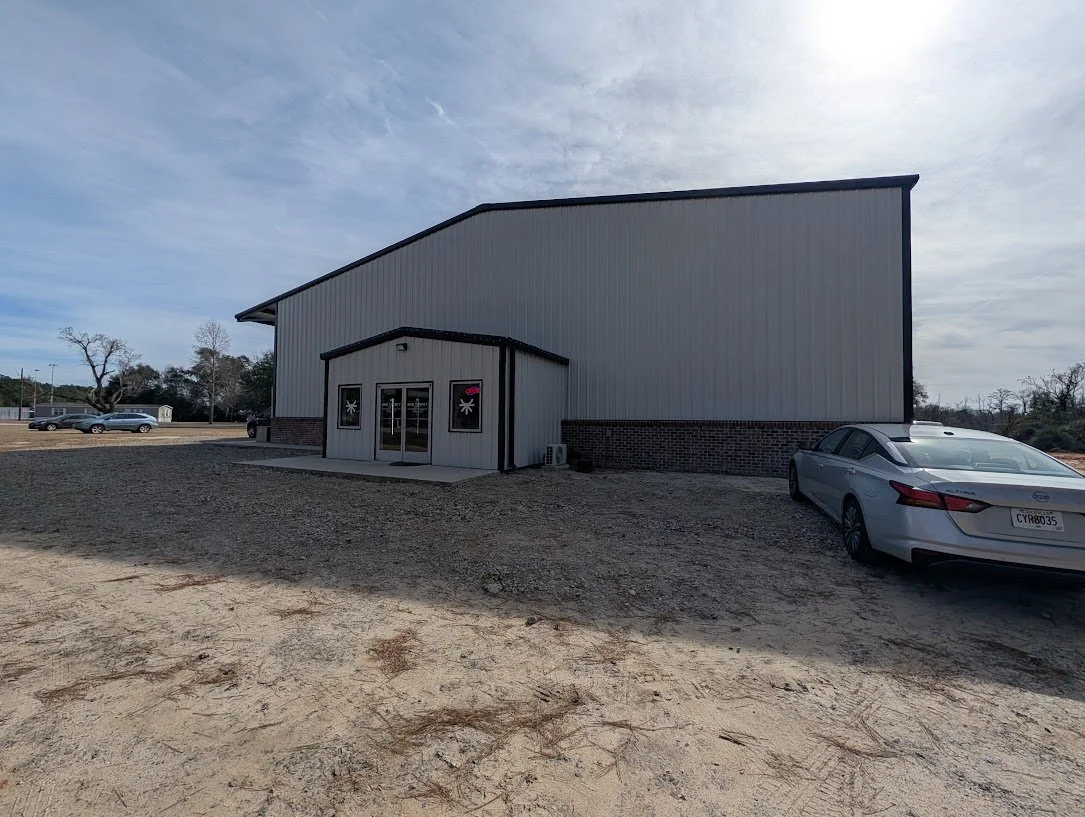
They’ve built the new plant with a lot of personal investment and sweat equity but also received vital support from a USDA Local Meat Capacity (MCap) grant and low-interest financing through the USDA Meat and Poultry Intermediate Lending Program (MPILP), administered by CSRA Business Lending in Georgia.
In the meantime, the couple has worked hard to diversify their business. Under the umbrella, they operate a fully integrated operation, with Marbled Duck Ranch being the seedstock and genetics side; where Nine Twenty Feedyard finished cattle and sheep; Nine Twenty Locker serves as the wholesale and retail sales channel; and Nine Twenty Processing conducting the slaughter and processing of proteins (both for in-house brands and for other producers).
“Under the processing business, about 30% of our sales come from our Nine Twenty brand of high-quality meats. About 20% comes from a value line of meat we process and sell. And, about 50% of our business comes from slaughtering, processing or co-packing for southeast ranchers,” Jarrod explained. The new facility enables the business to expand all aspects, including opportunities for value-added products.
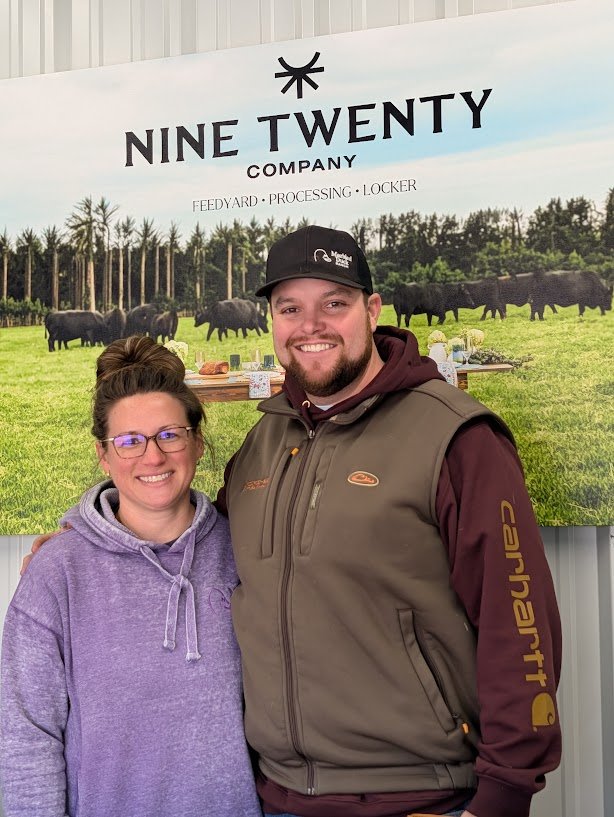
“We are very grateful for the opportunity and investments made by USDA to support small processors. We have expanded the business and the impact of our work, in part, thanks to the MPILP and MCap programs. Working with Randy Griffin with CSRA Lending [MPILP funder], and the New Hampshire Loan Fund that administered the MCap grant has been incredible. They understand the industry and the business we are in which makes the process all the more possible” Becca said.
The 78-year-old building isn’t being sent to retirement yet—the plan is to complete a renovation project on the old plant to focus solely on hog processing, while the new plant is designed for cattle, bison, sheep, and goat. And an original smokehouse they believe to be the oldest of its size east of the Mississippi is still cranking out delicious bacon, hams, and other value-added products.
