
By Dave Carter
The aging of America's agricultural population has been a growing concern for decades. The average farmer is now over 58 years old. Rural businesses, likewise, are suffering as one generation retires with no one following behind.
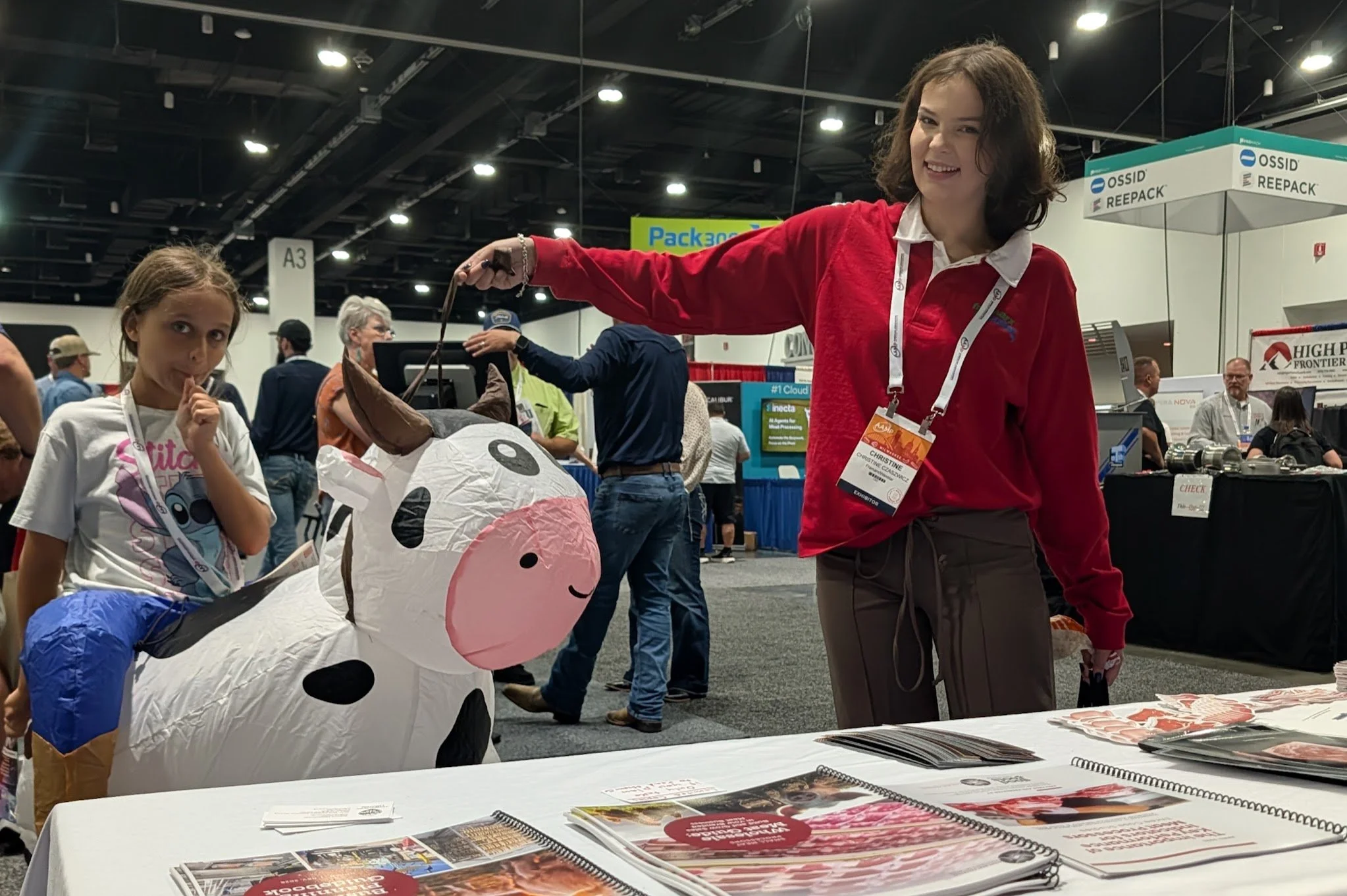
Anyone ready to throw in the towel on the future of young people in rural communities should attend an American Association of Meat Processors (AAMP) convention for a jolt of optimism.
AAMP bills its annual gathering as a family affair. That’s no overstatement.
Processors arriving for the convention are likely to be seen dragging a cooler of products for the cured meat competition in one hand, while holding a string of children with the other. Special rooms featuring games and activities are sprinkled throughout the venue and teem with youngsters during the three-day event. And, it’s not uncommon to see a family spread out on the floor outside of the trade show enjoying a picnic-style lunch packed from home.
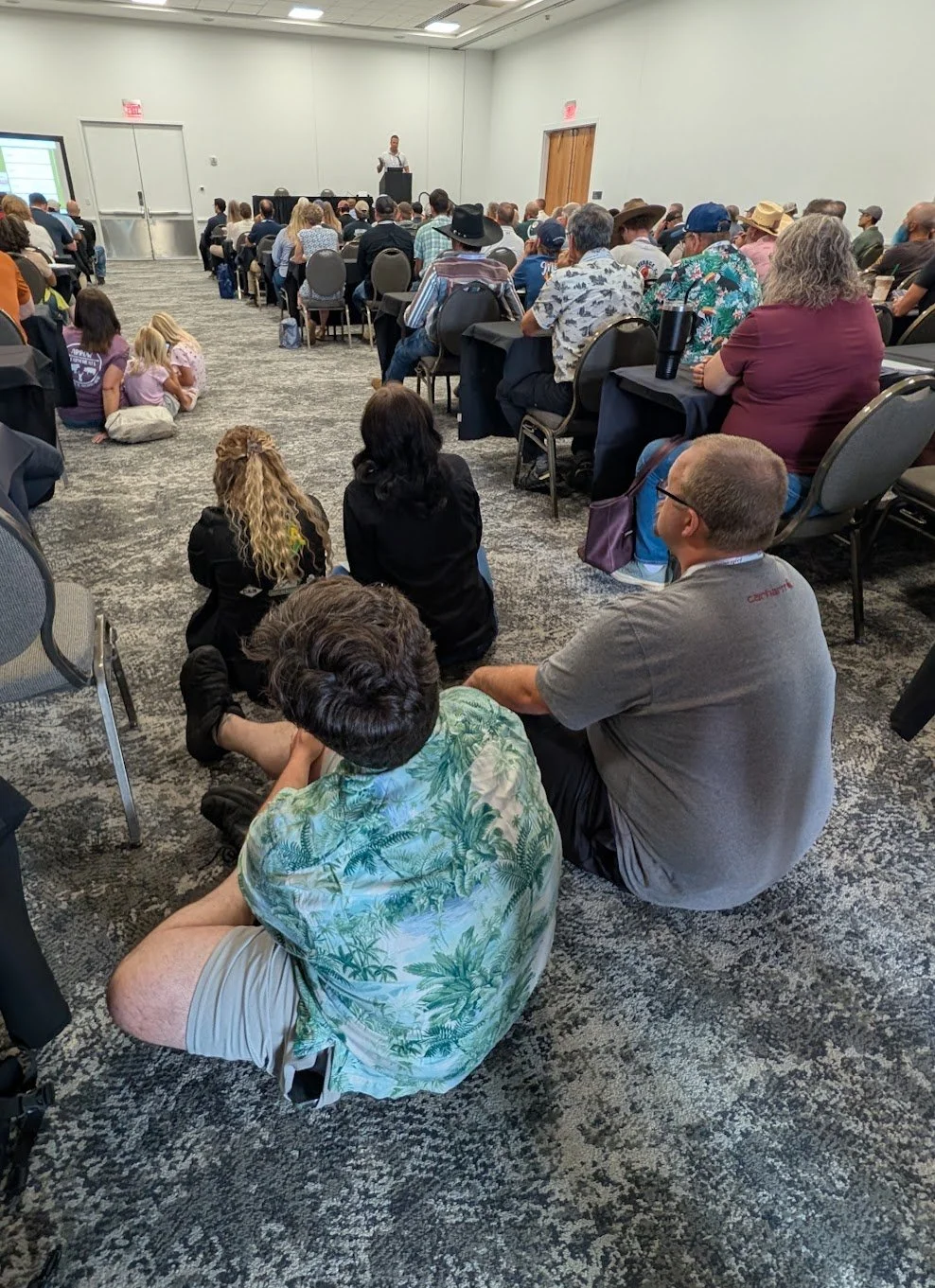
The convention is also a reminder that geriatrics is not a pandemic sweeping the meat processing sector. Information provided during the conference’s educational sessions are likely to be presented by a processor younger than 50. Attendees as young as 20 eagerly capture notes on their iPhones and e-tablets.
The youth bring an energy all too often missing from many gatherings in agriculture and agribusiness today.
Attending the AAMP conference in Milwaukee last week spurred me to think about the processors—and emerging processors—with whom my fellow director, Chris Roper, and I have worked since March 2022, when the Meat and Poultry Processing Technical Assistance program launched. Those processors mirror the demographics of the AAMP audience, and several were participants in this year’s conference.
Working with young individuals and families who are building these businesses has been some of our most rewarding work. During a Zoom meeting with a processor it is not unusual to be briefly interrupted by a child wanting a glass of milk or an infant needing a diaper change. Site visits are sometimes scheduled not to interfere with school activities.
Young people are forging a strong future in meat and poultry processing. They are entrepreneurial. They work hard and operate on slim margins. The mental health challenges are significant, as Nichole Sargent of Southpaw Meat Market in Maine and Marvin Frink of Briarwood Custom Meats in North Carolina can attest. But determination is the common currency among these processors.
USDA has made a significant investment in supporting smaller processors over the past four years and continues that commitment through the agency’s new Small Processors Action Plan and the Strengthening Processing for U.S. Ranchers program.
The public announcements surrounding these programs often emphasize the need to provide an antidote to consolidation in the beef, pork, and poultry processing sectors. Creating a future for young people to build careers— and support growing families—is equally important.
