
“Oh, give me a home where the byproducts roam…”
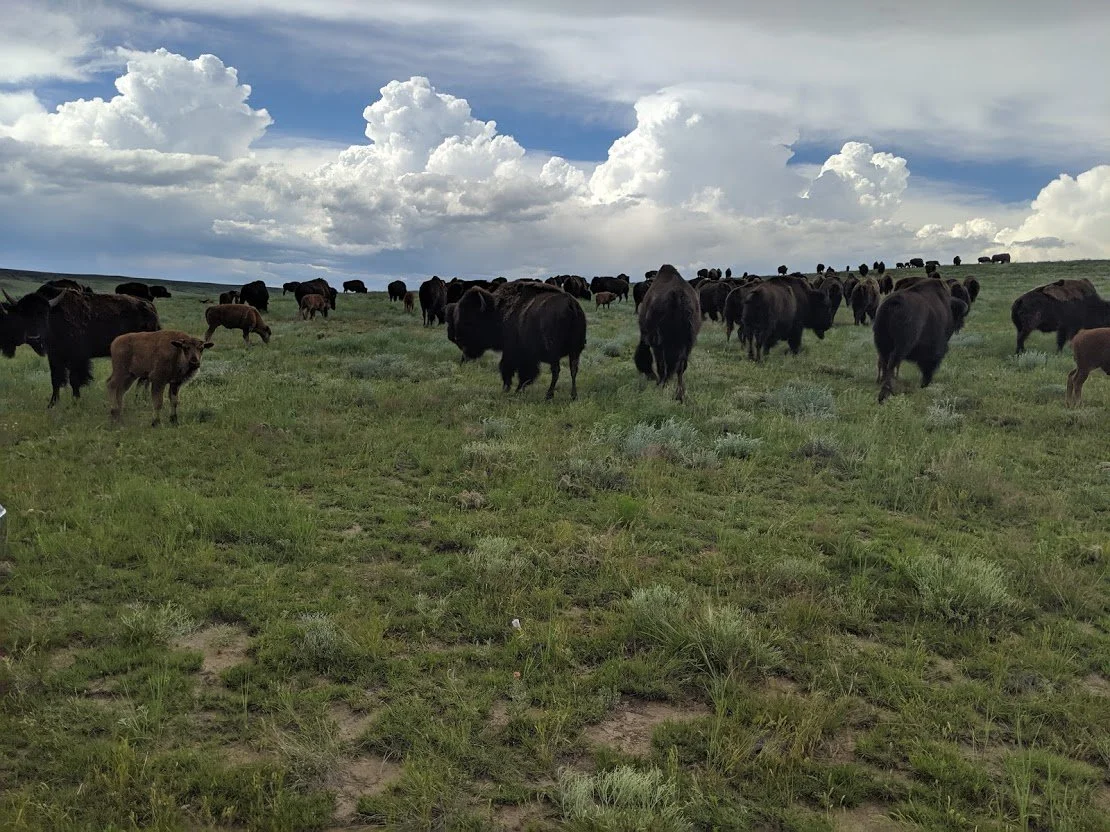
That could have been the title for a tour that the Savory Institute hosted for the Pet Sustainability Coalition (PSC) at the institute’s West Bijou bison ranch east of Denver in early November.
Roughly 45 pet industry representatives, including manufacturers, retailers and ingredient suppliers headed out to the nearly 8,000-acre ranch to learn about bison and the environment during the tour which immediately preceded PSC’s Impact Unleashed conference in Boulder.
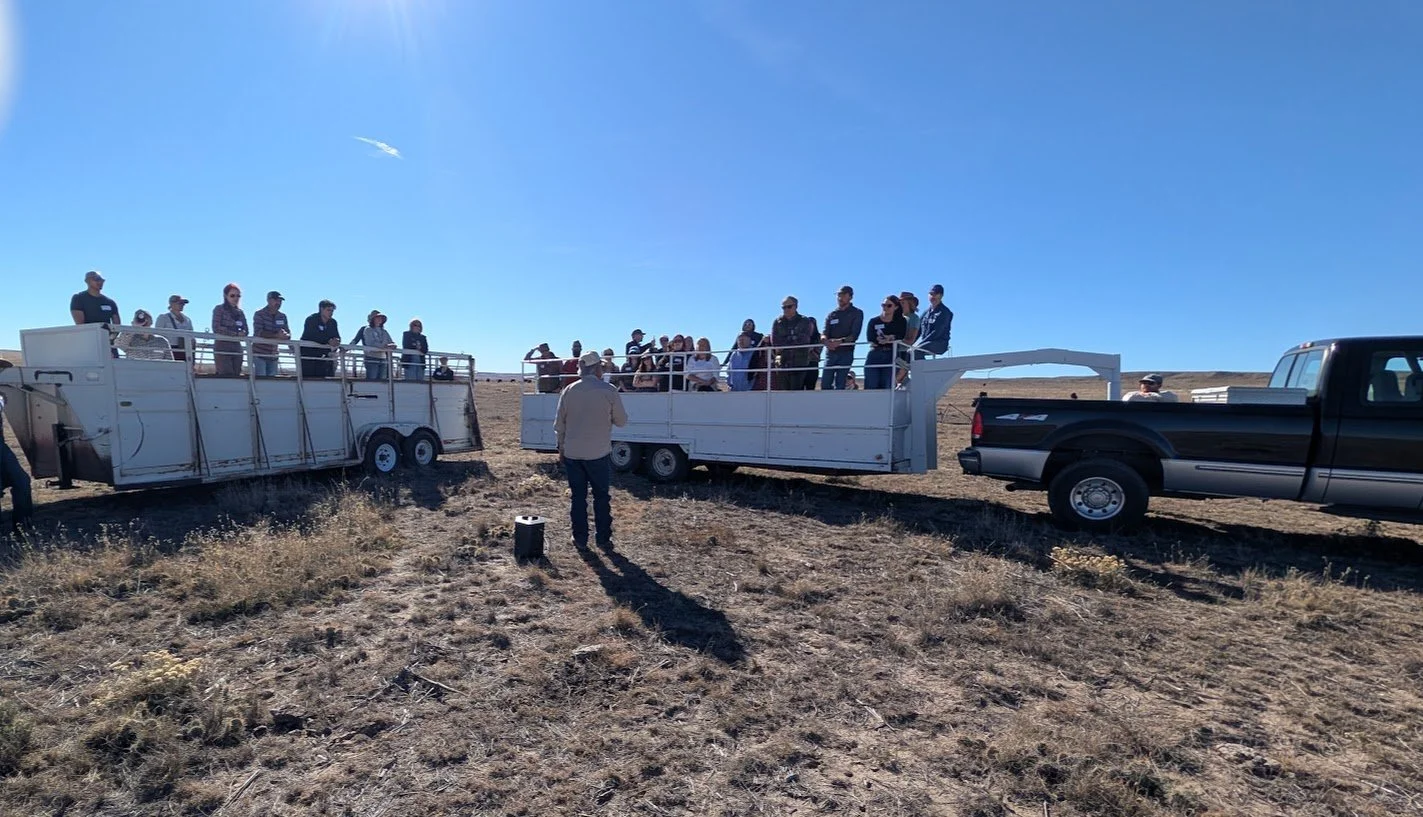
Following a series of introductions and a brief overview at the ranch headquarters, participants loaded into truck-drawn trailers to head out in the pasture to learn about the grasslands and get up close with the herd of about 350 bison at the ranch.
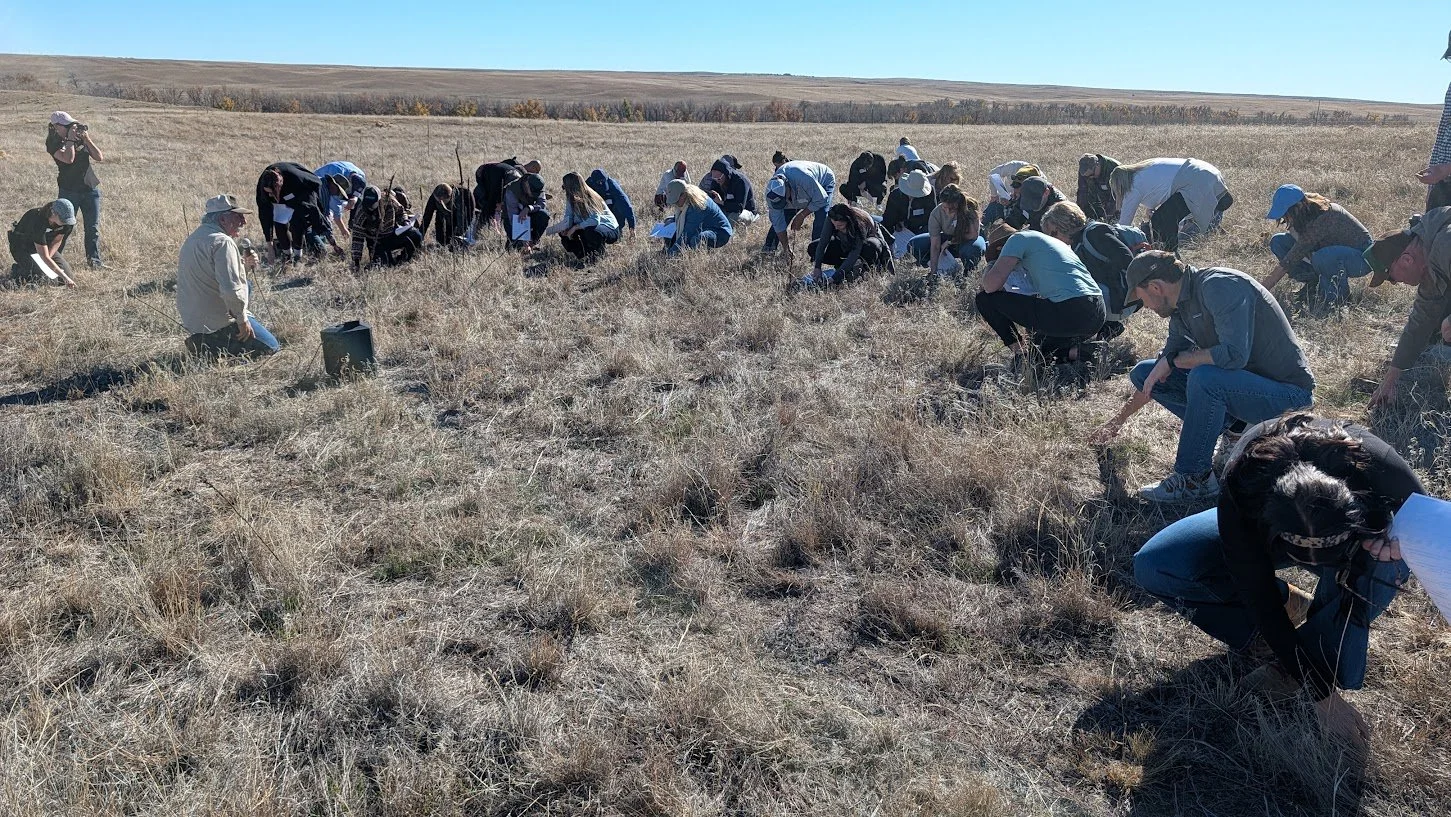
Ranch Manager Byron Shelton led a pasture walk, where he helped the pet product visitors learn how to “speak soil.” Further down the ranch, the participants remained in the trailers while Flower Hill Institute Regional Director Dave Carter, one of the partners in the bison herd, discussed the restoration of bison from near extinction 140 years ago.
The tour was designed as more than just an outing to learn about bison and regenerative agriculture. The pet products industry can play an important role in helping to continue restoring bison to the rangelands and pastures of North America.
Carter noted that more than half of every bison processed for meat is comprised of internal organs, bones, fat, trimmings and other byproducts.
“Bison pet products are great stuff. It's really an important piece of the puzzle,” Carter said. "These ingredients are incredibly nutritious and come with a powerful story of sustainability.”
The primary challenge in connecting the bison business with pet product manufacturers is the small scale of the sector. Many manufacturers purchase ingredients by the truckload, while processors handling bison tend to accumulate byproducts by the barrel or tote.
"We are working to get support from USDA, so that these processors can have meat-bone grinders and plate freezers and other equipment to aggregate this material and obtain critical mass,” he said.
Carter also noted the work being conducted under Growing GRASS, a project supported by the USDA’s Advancing Markets for Producers Initiative, which is working to develop resilient supply chains that will expand the utilization of byproducts from regenerative cattle and bison. Both Growing GRASS and the Pet Sustainability Coalition have entered into partnerships with Flower Hill Institute through Memorandums of Understanding.
Following the tour, Carter noted, “The pet product industry is realizing that their customers not only want highly nutritious food and treats for their companion animals, but they also want those products to be produced with the smallest environmental footprint possible. Bringing these pet industry leaders out to see a regenerative ranching operation can help spur increased interest and commitment in sourcing ingredients that meet both of those expectations.”
For more information regarding the PSC tour at the West Bijou Ranch, read PETFOOD Industry magazine’s coverage here.
