
Having to drive half-way across your state to reach a USDA-inspected meat processing facility takes on new meaning when your state is nearly one-fourth the size of the contiguous United States. The challenge is even more daunting when the processing facility may-or-may-not be open.
But that’s the situation Alaskan meat producers may face. Only three USDA-inspected slaughter facilities are open to the public in a state covering 663,267 square miles. Many have struggled to keep their doors open consistently, resulting in uncertainty and inconsistency for producers and buyers alike.
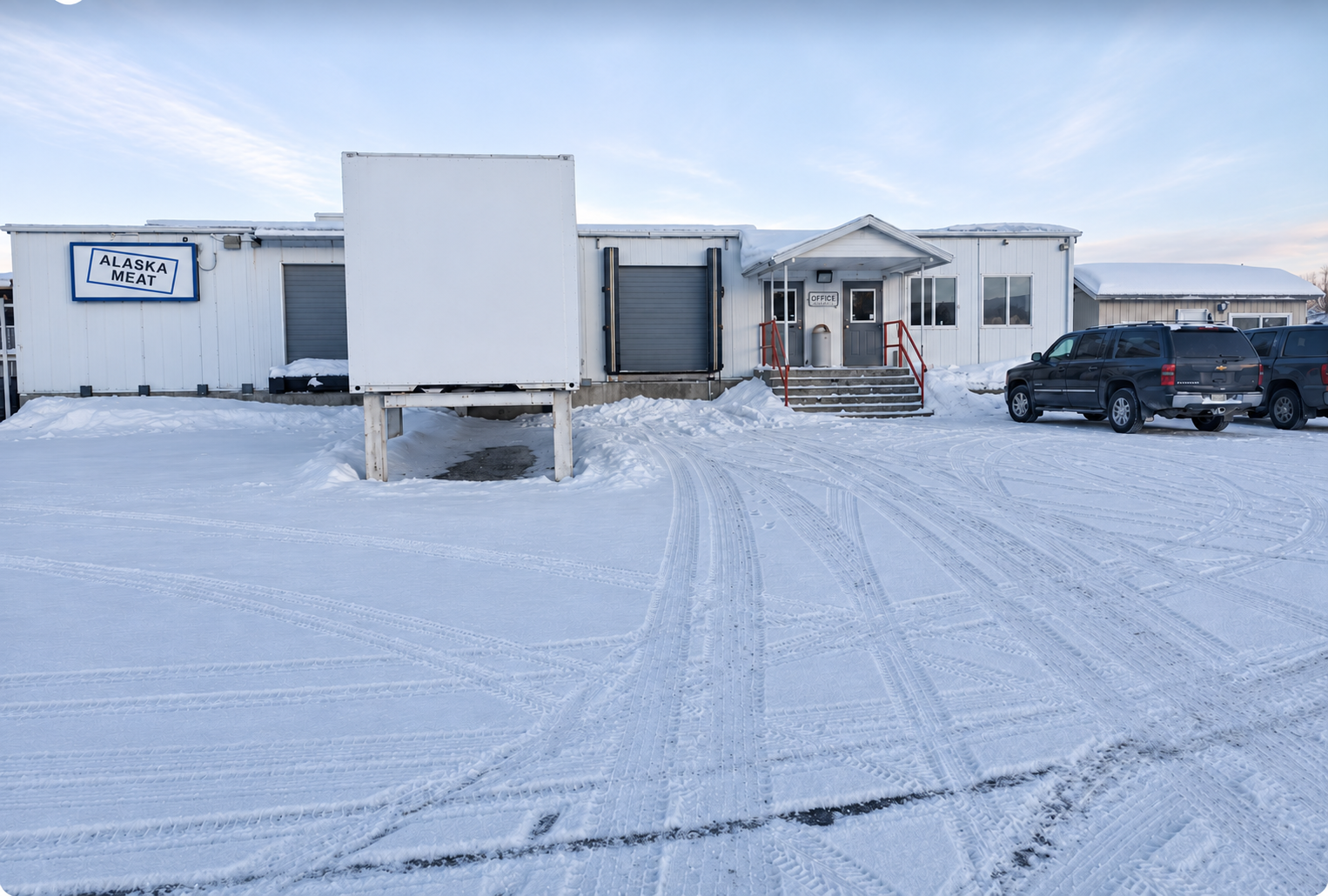
Alaska Meat Packers Incorporated in Palmer, AK, illustrates the challenge.
The facility was developed by the State of Alaska in the 1980’s to support the state’s livestock industry and to provide workforce training opportunities for the Department of Corrections. The state transferred ownership to a group of private investors in 2017 and then resold to another group in 2021. In the meantime, ownership changes, compounded by aging infrastructure, led to periodic operating interruptions.
“That destroys the confidence of ranches raising the animals, companies wanting to distribute Alaska-produced and Alaska-harvested meat, and institutions wanting to carry those products,” said Jamie Boring, a board member of Alaska Meat Processing, Inc.
But the facility now has the potential to attain a stronger financial footing, and more consistent processing, thanks to a $1 million grant awarded last month through USDA’s Meat and Poultry Processing Expansion Program, Phase 4.
Approximately 75% of the planned project funding will support new processing equipment operations efficiencies, and critical infrastructure improvement to increase throughput, traceability, and safe handling systems. Flower Hill Institute has been working with the enterprise to identify the key priorities for those investments.
“Alaska has farmers and ranchers willing to grow more livestock, and Alaskans who want to buy more locally produced and harvested meat,” said Adam Jenski, operator of the facility. “What we need is the infrastructure in the middle to connect the two. This investment by USDA gives us the opportunity to build that missing link and help Alaska agriculture grow.”
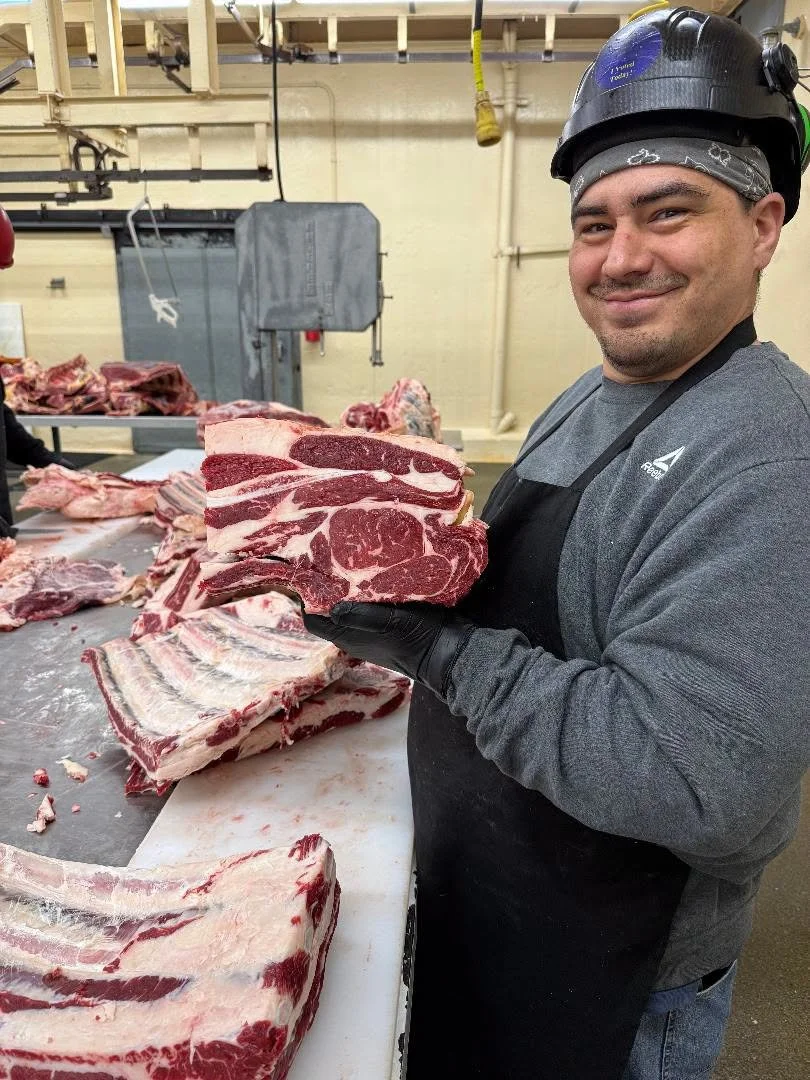
Boring added, “This grant enables us to build confidence that we will be here for the long haul, and capable of consistently processing high-quality meat; not just beef but pork, poultry and other species as well.”
He noted that building that new reputation will increase the confidence of retailers, restaurants, and institutions in the state to source products from not only their facility but all Alaskan USDA facilities working together to produce more quality meat closer to home.
“My vision is that—three years from now—we have worked as a state and built a reputation where families know there is a source for Alaskan-raised and processed meat, and ranchers are confident in growing their herds.
“The grant funding from USDA, the technical assistance offered by Flower Hill, and the support of agricultural organizations, our congressional delegation, and community partners have all helped reach this new day for Alaskan agriculture and food security,” he said.
