
Five years ago, the companies bringing “plant-based meat” to market were predicting the end of animal agriculture. Investors agreed and flooded the start-up ventures with seemingly limitless cash. JBS, Tyson and other large meat processors began to hedge their future by establishing new meat alternative ventures.
At Expo West, the country’s largest natural products trade show, Beyond Meat, Impossible Burger, Meati, and other companies dominated the trade show floor with booths trumpeting the health and environmental benefits of their offerings.
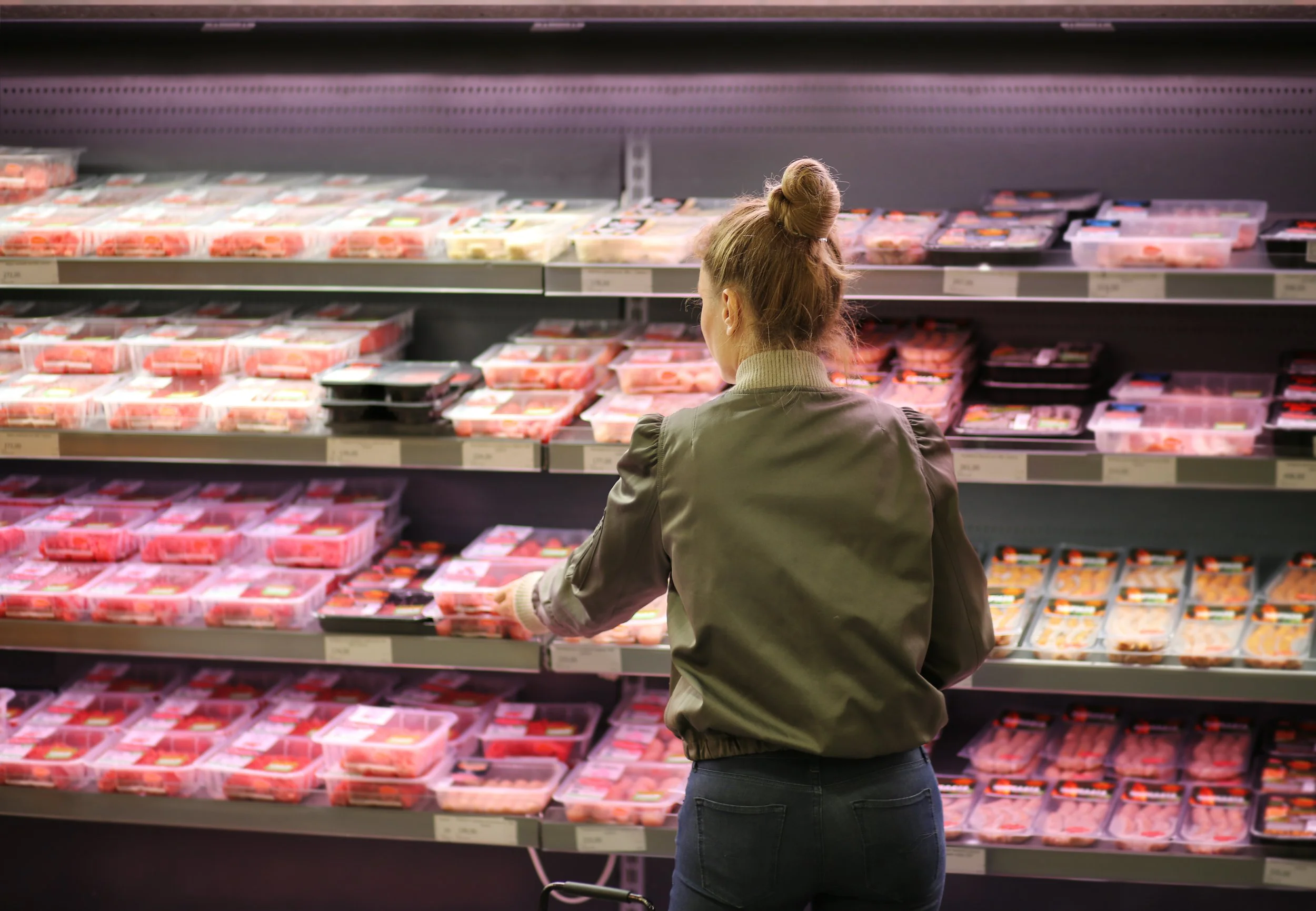
Then, something happened along the path to market dominance: Consumers started reading the ingredient labels on these products.
Methylcellulose? Soy leghemoglobin? Zinc gluconate? Geez, what is that stuff?
Marielle Hewitt of NorthStar Bison Co. reported to me in 2022, “One of our customers said that she decided to try one of these plant-based meats, so she bought a package and took it home to cook for her family. As she was frying the burgers, she started reading the ingredient panel. She took the skillet off the stove and tossed everything in the trash.”
That consumer wasn’t alone. The “all-natural” halo over these products soon began to fade. So, too, did the river of financial support propping up the companies. The founder of Impossible Burger, who once touted that all meat would be produced without slaughter by 2035, last year pinned the company’s survival to the introduction of products that blended plant protein with actual meat and poultry. Beyond Meat recently dropped the word “Meat” from its name. Meati had the power shut off at its Colorado manufacturing facility in late 2025.
New Hope Network, which organizes Expo West each year, proclaimed that “Protein Palooza” was a major trend at this year’s trade show, and noted, “More brands trumpeted animal proteins, over plant-based, than in recent years.”
The latest Power of Meat consumer trends study, issued during the Annual Meat Conference last month, reported that 83% of consumers surveyed recently consider plant-based meat alternatives to be “ultra-processed” (whatever that means).
All of that is good news for farmers, ranchers, and processors who bring real meat to the marketplace.
But, a lot of work remains to be done.
Customers who feel hoodwinked by the health and environmental claims of plant-based meat alternatives are increasingly calling for accountability in the claims made about the meat and poultry they buy for their families. Smaller processors are well-positioned to offer that accountability.
The new “Product of USA” labeling program, which the USDA implemented after a three-year regulatory process, now offers consumers assurance that their meat and poultry products were born, raised, and processed domestically.
Other labels, such as humanely raised and organic, require third-party verification, but the demand for products carrying those labels is growing significantly.
The latest quarterly marketplace update developed by Flower Hill Institute offers a deeper dive into the opportunities to connect with customers who want something better than methylcellulose, soy leghemoglobin and zinc gluconate on their dinner plates.
