The humanization of pets has exploded over the past few decades as Fido moved off the front porch and into the bedroom (or on the bed), and Fluffy traded chasing mice in the barn for curling up on the couch.
This trend has translated into how pet parents view the food and treats they feed their companion animals. Some consumers want their companions to follow the same diet as they feed the rest of their family. However, pet nutritionists warn that dogs and cats still have unique digestive systems that require different nutrition than humans.
Professional trainers at the Savory Institute, Holistic Management International, and other regenerative agriculture organizations often stress, “You can’t monitor what you don’t measure.”
When talking with ranchers seeking to improve management of their land and herds, the trainers say that the same adage is even more critical for meat and poultry processors.
The unique characteristics of meat and poultry processing make it difficult—and sometimes impossible—to use standard manufacturing monitoring tools to measure performance. Most commercial manufacturing enterprises transform components into finished products. Processors start with live animals and then break down the carcass into potentially hundreds of products.
Heywood Provisions is flying high these days.
Literally.
The small further-processing enterprise tucked into an industrial park in urban Atlanta has grown exponentially since Patrick Gebrayel first opened for business in 2011.
After graduating from the Culinary Institute of America, Gebrayel worked under legendary French Chef Jean-Louis Palladin in Washington, D.C., and then moved to Atlanta. Frustrated by the lower quality sausages he was working with at an Atlanta-area country club, he set out to create a business specializing in unique, high-quality meat and value-added products while supporting local livestock farmers.
Meat and poultry processors seeking lessons in diversification need look no further than the U.S. bison business.
Twenty-five years ago, the bison business looked like a giant pyramid scheme. Prices for live animals escalated dramatically in the 1990’s as ranchers competed to build their herds with the limited number of animals available. By 1999, prices for breeding stock had reached unsustainable heights, with the grand champion breeding bull selling for $101,000 at the National Bison Association’s annual Gold Trophy sale.
When the USDA established the Meat and Poultry Processing Technical Assistance network in 2022, beef ranchers and other livestock producers were facing delays of more than a year in scheduling their animals for processing.
With apologies to Bob Dylan, the times, they have changed. Driven by drought, trade restrictions, and other factors, the U.S. cattle inventory has dropped to a 70-year low, with only marginal signs indicating any rebuilding is underway.
Silos are valuable on farms and ranches but not in federal agencies. Within USDA and other federal agencies, various departments too often operate in isolation, creating confusion and challenges for constituencies wanting to utilize their resources.
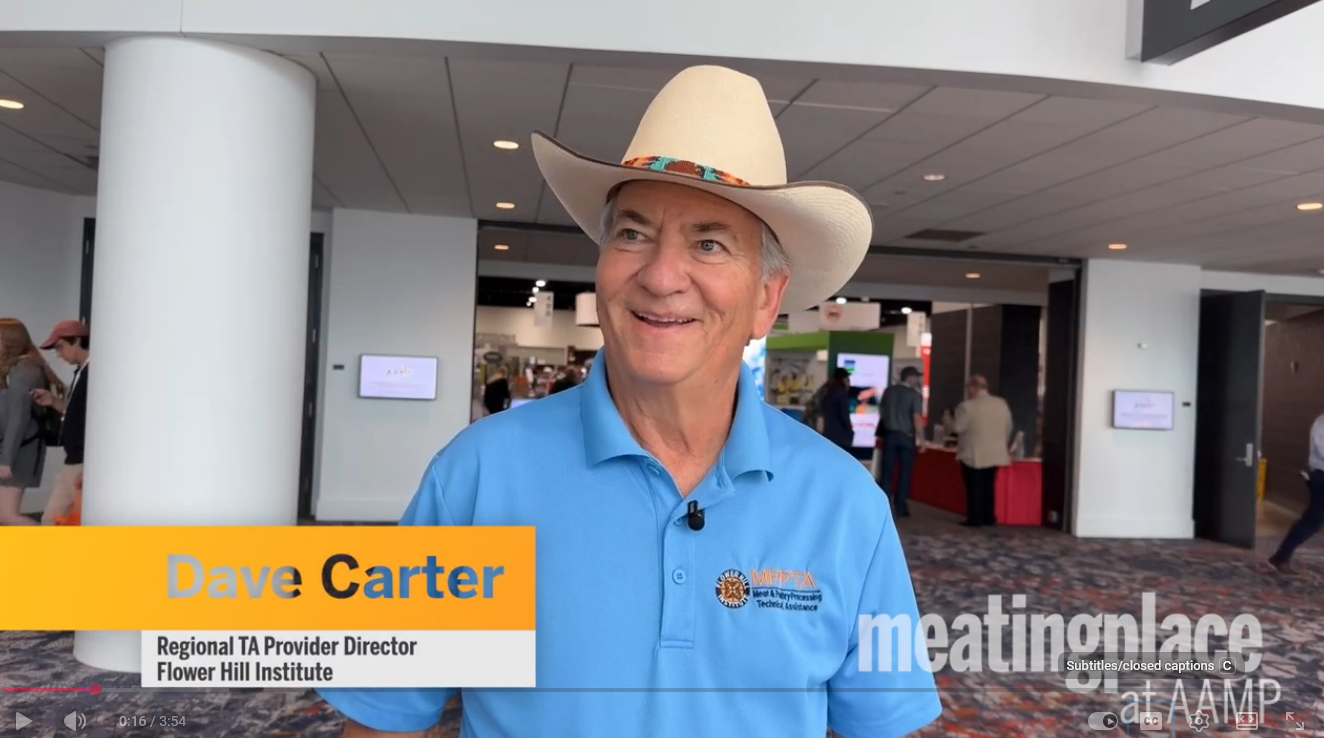
Leaders at USDA AMS understood that when they enlisted Flower Hill Institute and five other organizations to create the Meat and Poultry Processing Technical Assistance (MPPTA) Program in 2022.
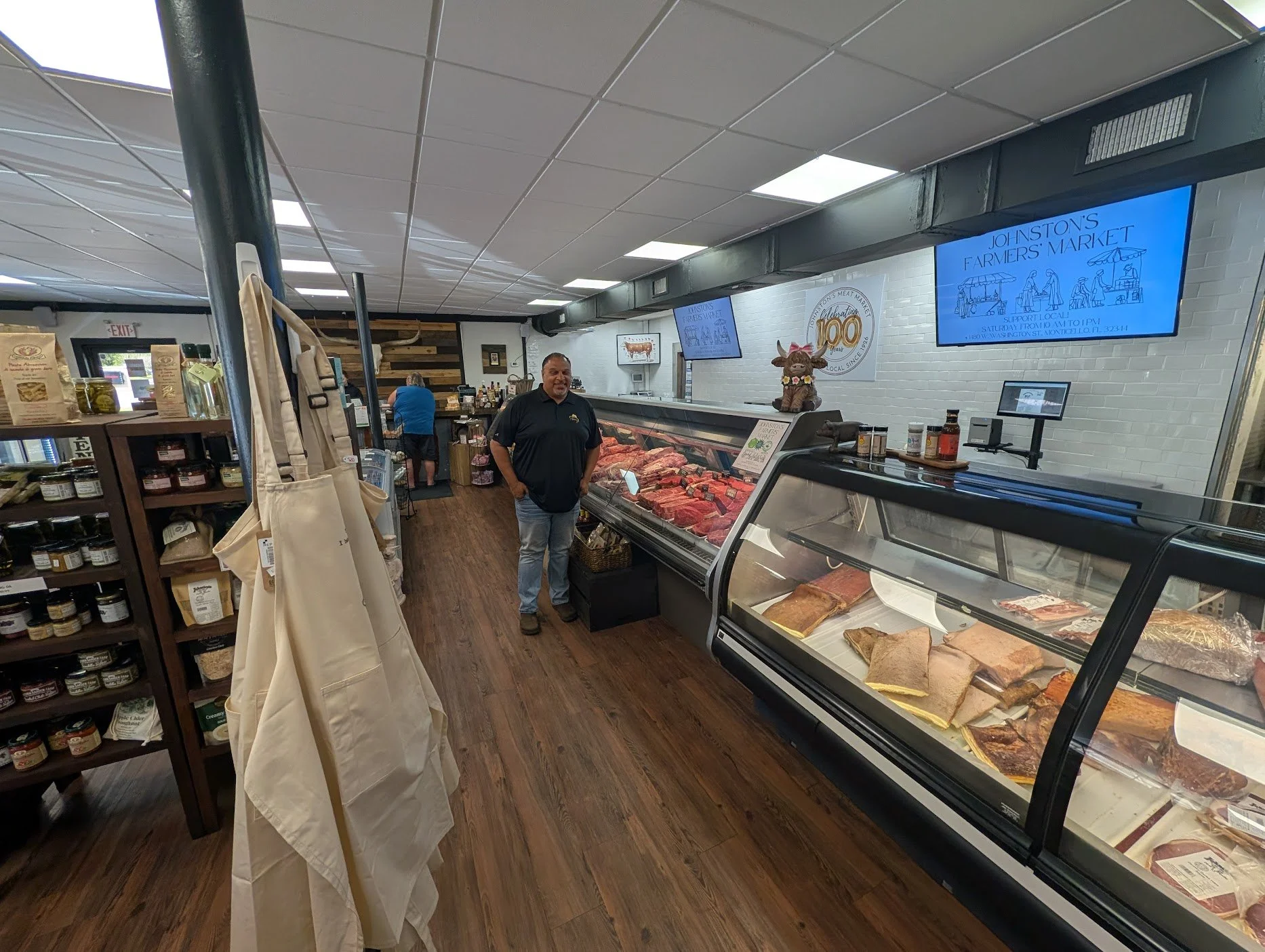
When Santa goes looking for a last-minute stocking stuffer or a charcuterie platter for the elves’ holiday party, you may find him perusing the selection at Southpaw Meat Market in Windham, Maine.
The market, tucked in a strip mall 12 miles northwest of Portland, is a warm, welcoming space that exemplifies the opportunities for smaller processors to diversify and move beyond simply harvesting animals and packaging meat.
Beef tallow is only the latest stop on the trail that Stagecoach Meats in Wiggins, CO, has traveled over the past half-decade.
The journey began in 2020, when Kris and Jessica Musgrave and their friends Stacy and Travis Cowan purchased a custom exempt plant in the small northeastern Colorado town to process cattle that the Musgraves raised on their nearby ranch. As the Covid-19 pandemic-related disruption swept through the beef industry, the four soon recognized the need for a USDA-inspected facility in their area.
Shortages of trained workers continue to be one of the significant challenges facing smaller processors operating in relatively remote areas.
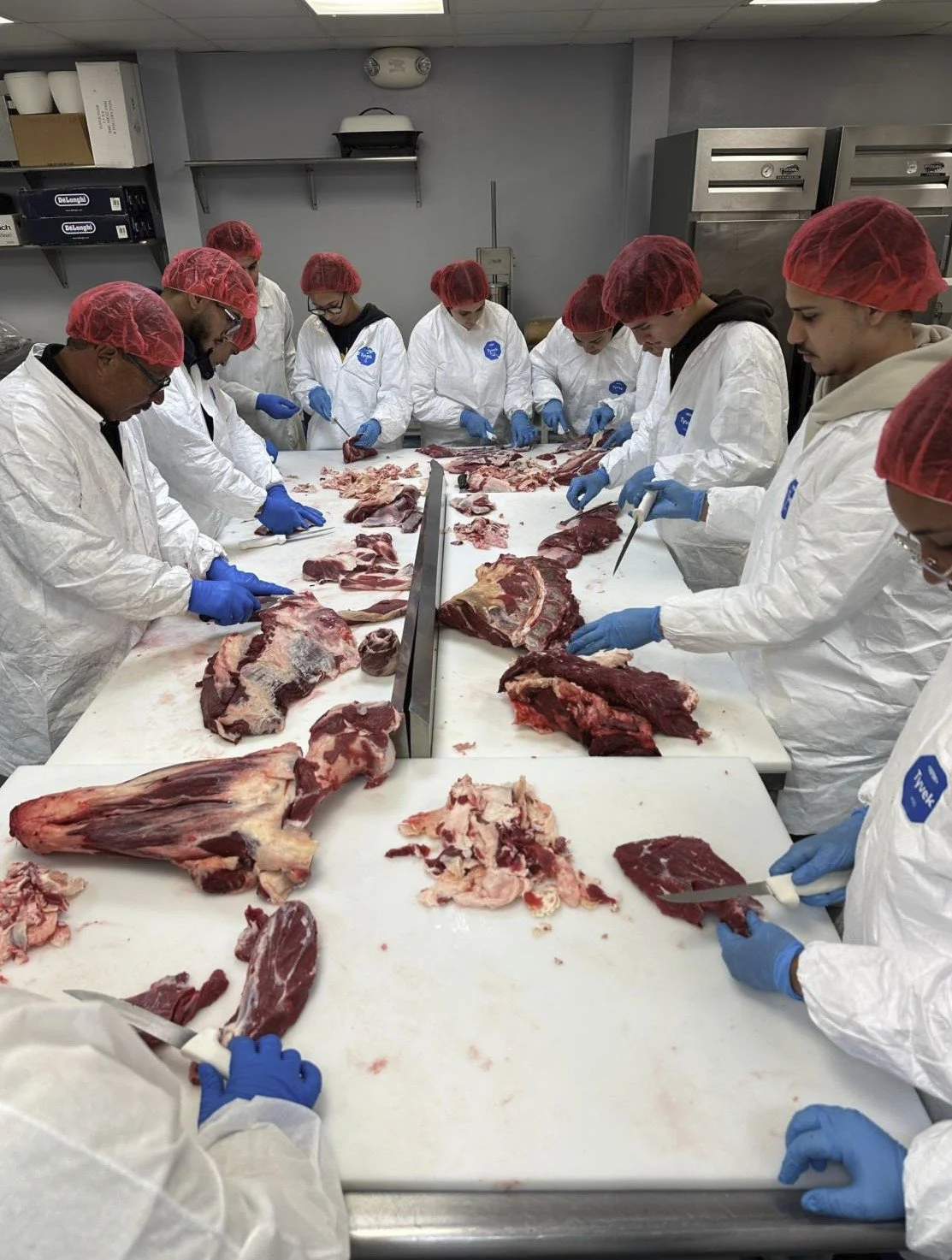
Fortunately, many higher education institutions of all sizes are working to address those needs, in part with resources that were made available through USDA’s National Institute for Food and Agriculture.
Eric Gutknecht grew up elbows deep in sausage making. His parents immigrated to Colorado from Switzerland in the 1970s, bringing with them two generations of sausage-making experience.
Eric was three years old when his parents joined a Denver sausage business founded by another Swiss immigrant and purchased the company in the 1980s. Eric notes, “Packing sausage was cheaper than daycare,” so he spent his days learning the trade at his parents’ elbows.
Sometimes, it takes a village to expand a meat processing enterprise.
That was evident recently in the northwestern Colorado town of Craig as Deborah Fitch of Fitch Ranch Artisan Meats guided the mayor, city council members, economic development officials, lenders, and builders through the processing plant she and her husband, Cam, have steadily grown since purchasing it in 2022.
How do lawn mower repair, meat processing and pet product manufacturing all fit together?
Just ask Vernon Beechy of Beechy’s Custom Meats in Shipshewana, Indiana.
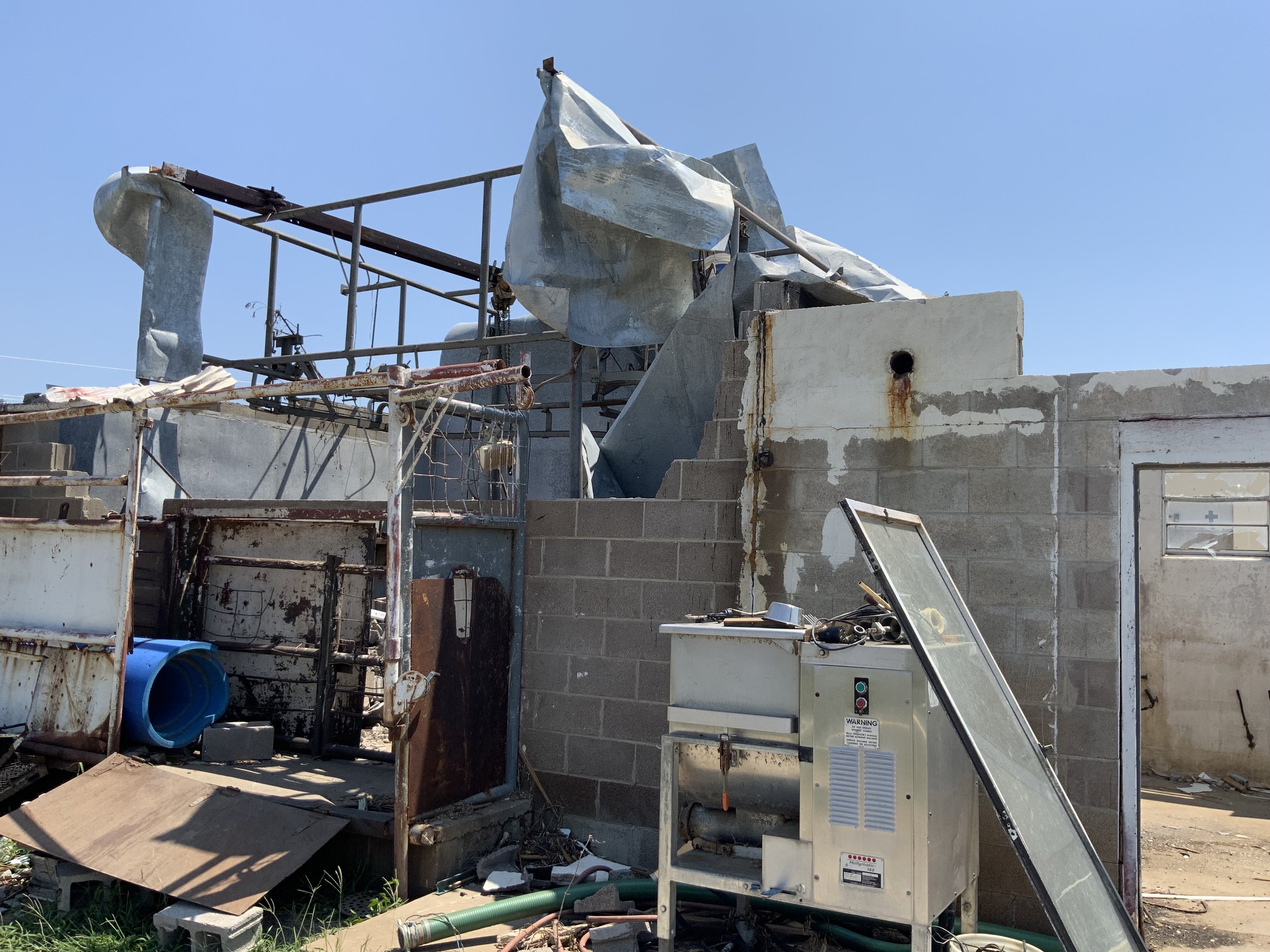
On June 17th, Flower Hill Institute's Regional Director of Technical Assistance Chris Roper made a site visit to Barnsdall Meat Processing in Barnsdall, Oklahoma which made him stop and reflect on how fortunate we are after seeing the damage left from two deadly tornadoes that hit the small community within a five week period.
Heywood Provisions is flying high these days.
Literally.
The small further-processing enterprise tucked into an industrial park in urban Atlanta has grown exponentially since Patrick Gebrayel first opened for business in 2011.
After graduating from the Culinary Institute of America, Gebrayel worked under legendary French Chef Jean-Louis Palladin in Washington, D.C., and then moved to Atlanta. Frustrated by the lower quality sausages he was working with at an Atlanta-area country club, he set out to create a business specializing in unique, high-quality meat and value-added products while supporting local livestock farmers.
When Santa goes looking for a last-minute stocking stuffer or a charcuterie platter for the elves’ holiday party, you may find him perusing the selection at Southpaw Meat Market in Windham, Maine.
The market, tucked in a strip mall 12 miles northwest of Portland, is a warm, welcoming space that exemplifies the opportunities for smaller processors to diversify and move beyond simply harvesting animals and packaging meat.
Beef tallow is only the latest stop on the trail that Stagecoach Meats in Wiggins, CO, has traveled over the past half-decade.
The journey began in 2020, when Kris and Jessica Musgrave and their friends Stacy and Travis Cowan purchased a custom exempt plant in the small northeastern Colorado town to process cattle that the Musgraves raised on their nearby ranch. As the Covid-19 pandemic-related disruption swept through the beef industry, the four soon recognized the need for a USDA-inspected facility in their area.
Professional trainers at the Savory Institute, Holistic Management International, and other regenerative agriculture organizations often stress, “You can’t monitor what you don’t measure.”
When talking with ranchers seeking to improve management of their land and herds, the trainers say that the same adage is even more critical for meat and poultry processors.
The unique characteristics of meat and poultry processing make it difficult—and sometimes impossible—to use standard manufacturing monitoring tools to measure performance. Most commercial manufacturing enterprises transform components into finished products. Processors start with live animals and then break down the carcass into potentially hundreds of products.
Shortages of trained workers continue to be one of the significant challenges facing smaller processors operating in relatively remote areas.
Fortunately, many higher education institutions of all sizes are working to address those needs, in part with resources that were made available through USDA’s National Institute for Food and Agriculture.
On an early Sunday morning in mid-June, members of several area Tribes, along with leaders of The Nature Conservancy (TNC), World Wildlife Fund and other organizations gathered around the Intertribal Buffalo Council’s (ITBC) mobile processing trailer at a TNC ranch south of Rapid City, SD to participate in the cultural harvest of a buffalo bull that had been felled by a sharpshooter in the pasture minutes earlier.
The humanization of pets has exploded over the past few decades as Fido moved off the front porch and into the bedroom (or on the bed), and Fluffy traded chasing mice in the barn for curling up on the couch.
This trend has translated into how pet parents view the food and treats they feed their companion animals. Some consumers want their companions to follow the same diet as they feed the rest of their family. However, pet nutritionists warn that dogs and cats still have unique digestive systems that require different nutrition than humans.
Meat and poultry processors seeking lessons in diversification need look no further than the U.S. bison business.
Twenty-five years ago, the bison business looked like a giant pyramid scheme. Prices for live animals escalated dramatically in the 1990’s as ranchers competed to build their herds with the limited number of animals available. By 1999, prices for breeding stock had reached unsustainable heights, with the grand champion breeding bull selling for $101,000 at the National Bison Association’s annual Gold Trophy sale.
When the USDA established the Meat and Poultry Processing Technical Assistance network in 2022, beef ranchers and other livestock producers were facing delays of more than a year in scheduling their animals for processing.
With apologies to Bob Dylan, the times, they have changed. Driven by drought, trade restrictions, and other factors, the U.S. cattle inventory has dropped to a 70-year low, with only marginal signs indicating any rebuilding is underway.