
Large packing plants seem to be falling like dominoes across rural America.
In recent months, Tyson Foods has closed a plant in Nebraska, reduced a Texas facility to one shift, announced the closure of another plant in Illinois and the elimination of case-ready operations in Utah, and put a Washington state plant up for sale. Meanwhile, JBS is eliminating slaughter operations at a facility it owns in Pennsylvania.
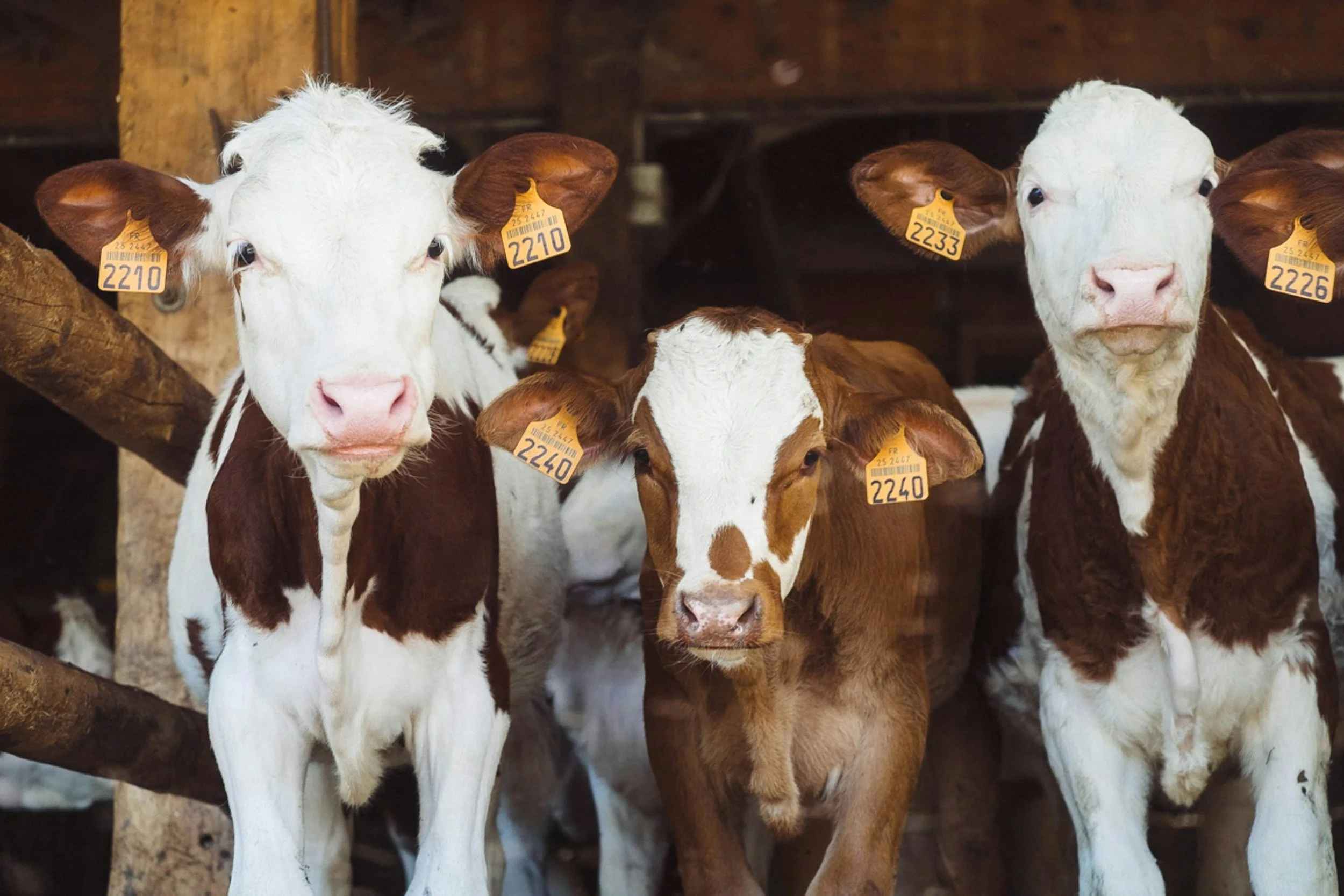
Cattle ranchers and feeders supplying those plants now must figure out where they can feasibly ship their animals for harvest.
All of this points to the importance of a more diversified, smaller-scale meat processing sector.
The big packers’ decisions about opening, altering, or closing facilities are made with a limited constituency in mind: owners and/or shareholders, many of whom are in Brazil, China, and other areas far removed from the daily struggles facing agricultural producers, small businesses, and rural communities. Smaller processors see those struggles firsthand. They live those struggles every day.
No doubt, the historically low cattle herds create stiff challenges for processors of all sizes. But a smaller processor isn’t likely to pull up stakes and leave a community—and the ranchers and farmers who rely on their services—hanging. In fact, my fellow regional director, Chris Roper, and I assist processors across the country who are working with their farmers and ranchers to adapt to smaller herd counts and develop innovative ways to add value to the products from each carcass they handle.
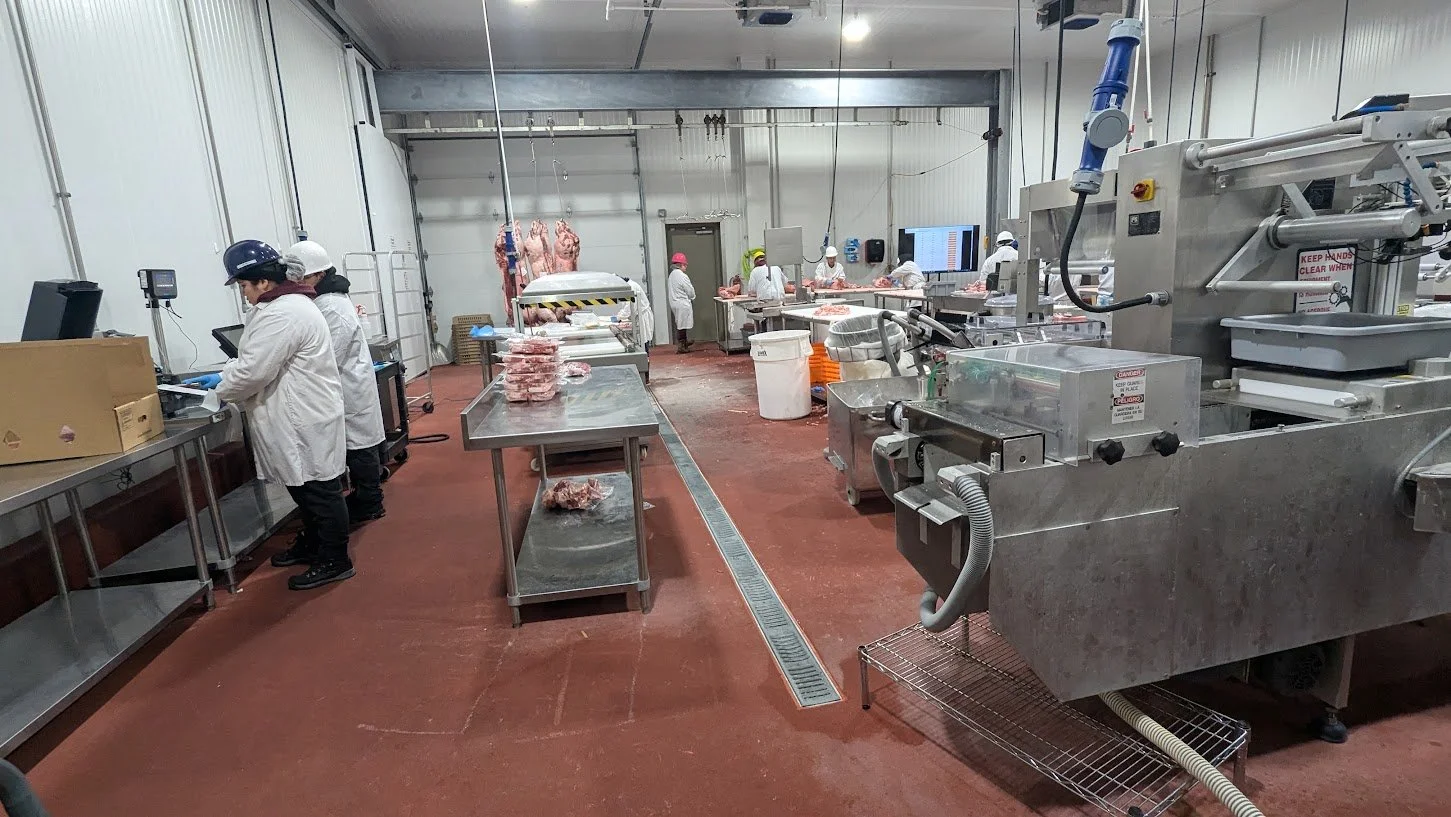
Elsewhere, a new generation of processors is gaining a foothold to handle larger volumes of animals and help fill the vacuum created when a major packer leaves town.
Producer Owned Beef in Texas and American Foods Group in St. Louis, MO are just two examples of slightly larger processing facilities that have emerged or expanded with support from USDA grants, loans, and technical assistance programs over the past four years. Unlike the Big Four, these mid-tier processors have deep roots in the communities they serve.
Based on the latest market and climate outlook reports, expansion of the cattle herds isn’t happening anytime soon. Communities, ranchers, and feeders who depend on one large processor can rightfully wonder if that plant may be next to shutter. Having a smaller or mid-tier plant nearby provides much-needed security.
USDA support, including technical assistance, to help smaller processors keep their roots firmly planted and their doors open through this uncertain time, is a vital lifeline to buffer the devastating impact of losing a large packing plant.
