
“You have to meet people where they're at.”
That's common advice given to professionals wanting to develop strong relationships with clients. It generally refers to the importance of respecting the values, economic situation and beliefs of people you assist.
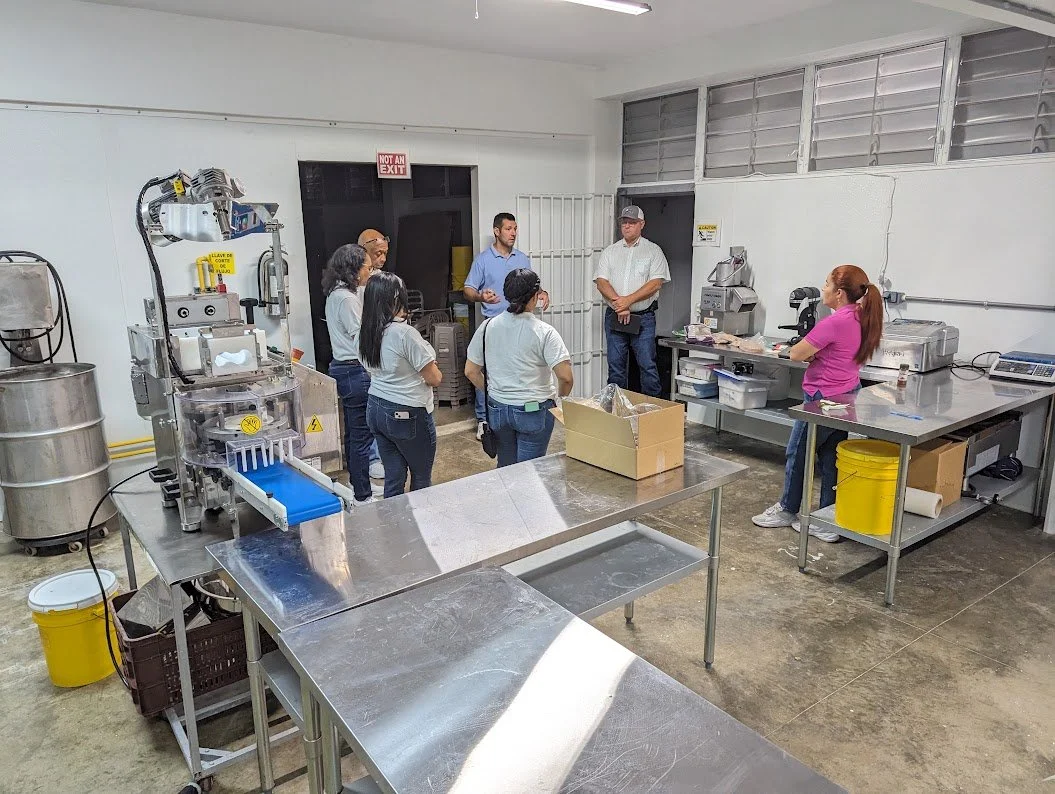
For nearly five years, Flower Hill Institute Regional director Chris Roper and I have carried that advice an extra step. In our work providing technical assistance to smaller meat and poultry processors, each of us has traveled across the map, including two U.S. territories, to walk through processors' facilities, sit down with them in coffee shops and around their kitchen tables, meet with their lenders and architects, and participate in industry conferences.
In this sector, technical assistance has to be a hands-on job. Phone calls, emails and Zoom meetings are all helpful in exchanging information. But nothing compares to seeing the challenges that a processor faces during a walk-through of their facility, experiencing the demographics of the markets in which they operate, or watching their interaction with employees and customers.
Our travels have helped us develop a deeper understanding and appreciation of the determination, dedication and ingenuity of the families operating these businesses. Along the way we have developed strong friendships and relationships of trust.
Since March 2022, Flower Hill Institute has fielded more than 1,850 requests for technical assistance. Some of those requests required simply directing someone to a website, or connecting them to a resource. For others, we called in the experts available within our broader technical assistance network. For many, showing up at their doorstep was the best way to provide real technical assistance. So, we've kept our suitcases handy for nearly five years.
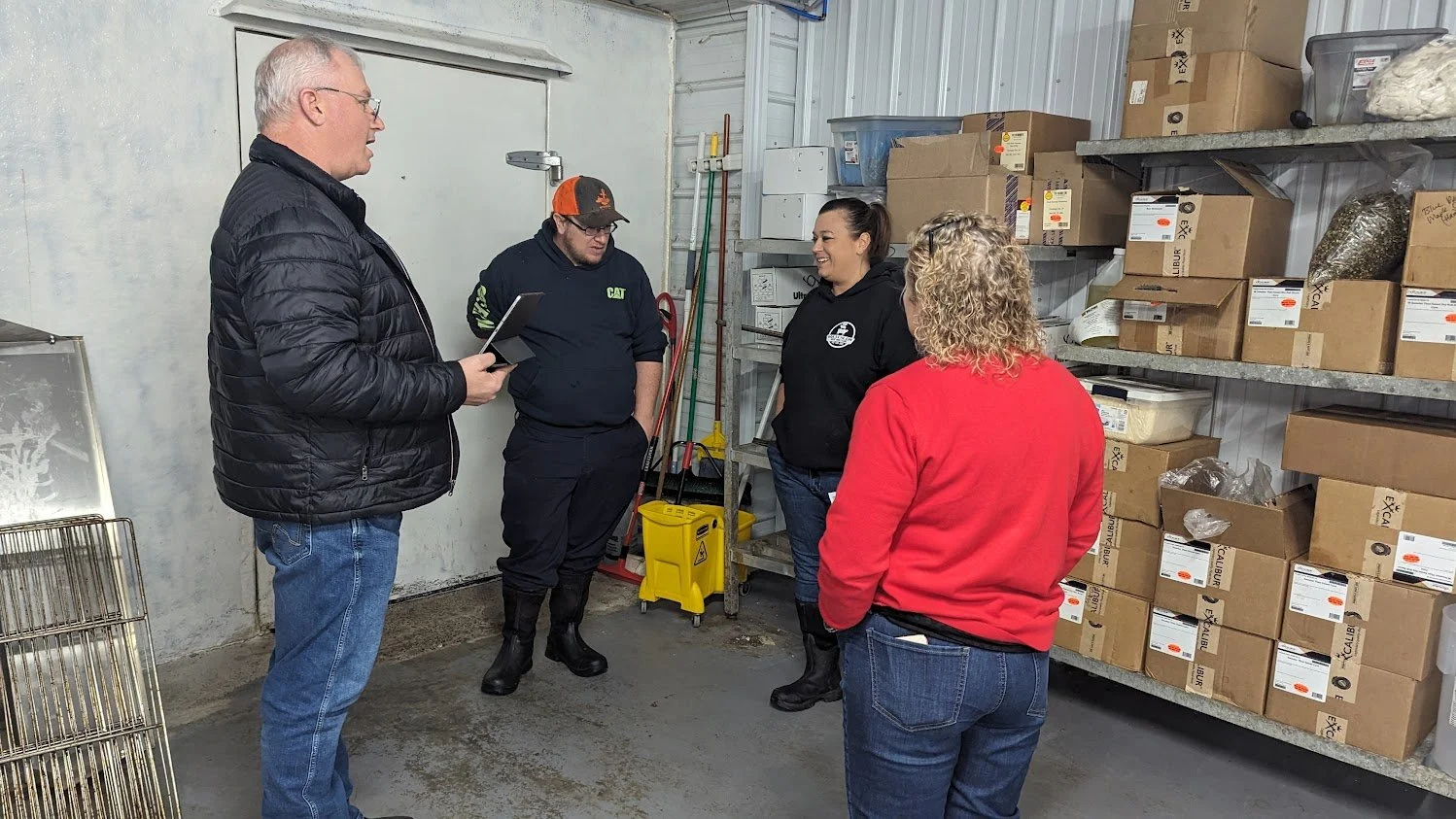
We also recognize that technical assistance is an ongoing process. A processor we assisted in submitting a grant early on in our work may have reached out the following year after receiving that grant with a request for assistance in developing their capital stack, and again later on to get advice regarding how to handle the byproducts they were generating, and then again to let us know about a regulatory issue they just encountered. In reality, there is no end gate to challenges processors face in developing and operating their businesses.
As long as we are able to do this important work, we'll keep our suitcases packed and our cellphones charged.
Dave Carter
